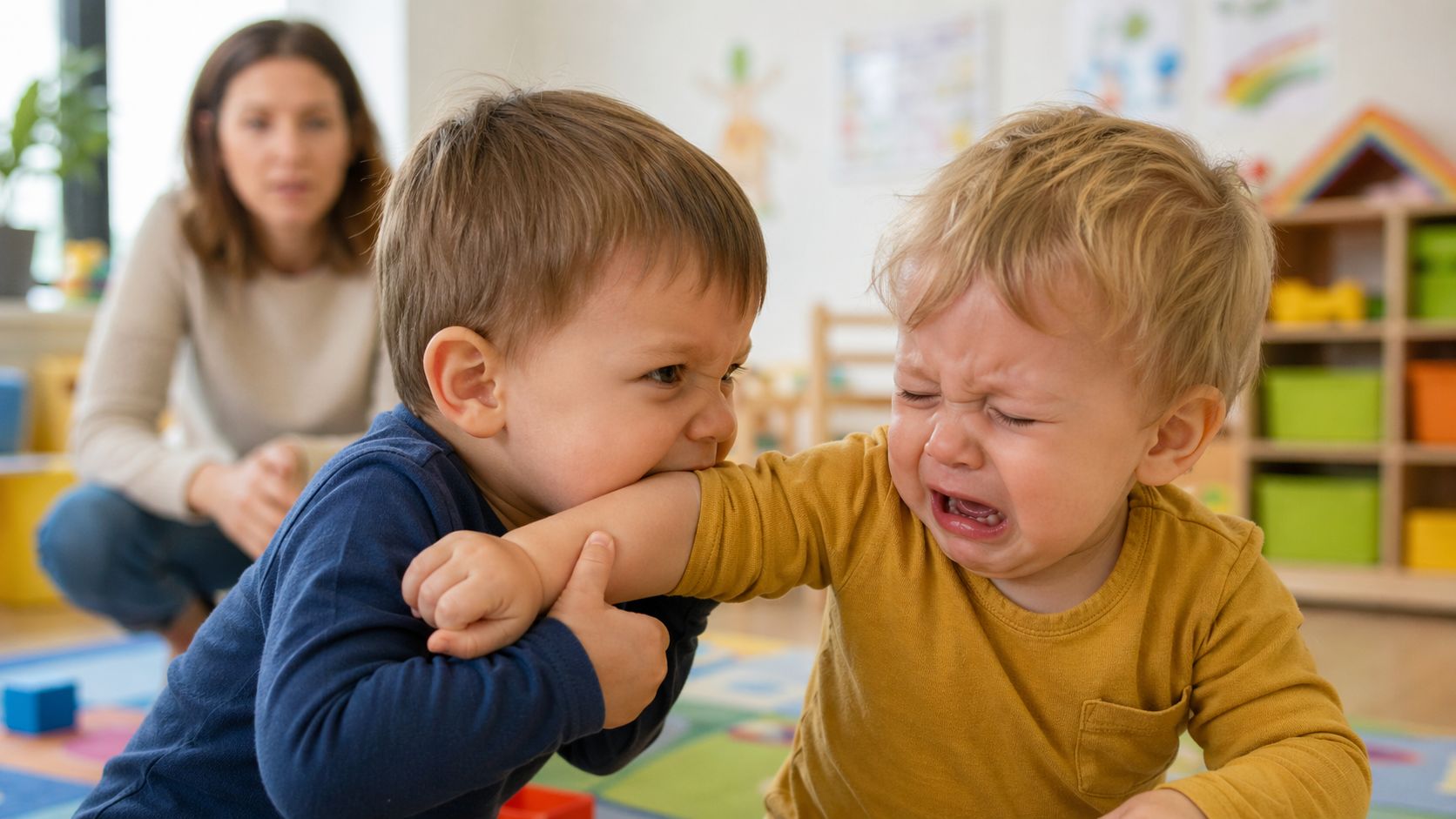
Preschool is the first educational institution that extends beyond the walls of the home, introducing children to a new social and educational environment. During this crucial stage of life, the role of a consistent preschool staff becomes extremely important in shaping the holistic physical, emotional, and social development of children. A stable team at your child’s preschool contributes to building a sense of security and trust, which is fundamental for adaptation and growth in a new environment. This article aims to explore why a consistent preschool staff plays such a vital role from a child’s perspective.
Safety and a Stable Environment for the Child
A consistent preschool staff forms the foundation of safety and stability for children, creating an atmosphere in which they can fully thrive. The trust and familiarity that children build with their caregivers shape their sense of security and enable them to adapt more easily to the preschool environment. Staff stability also positively influences children’s emotional development, allowing them to explore the world in an atmosphere of trust and support.
In such an environment, children have the opportunity to develop social skills, learning to build relationships and cooperate with peers. The consistent presence of educators also allows for personalized support for each child, as teachers familiar with the individual development history of each child can tailor their methods and approach to meet specific needs. This is particularly important when it comes to differences in learning pace and style, allowing teachers to respond more effectively to each child’s unique requirements and support their development in a comprehensive and effective way.
Trust and Emotional Stability in Relation to Preschool Staff
Emotional stability is essential for the full development of children, as it ensures a sense of safety and trust, fostering the healthy formation of their personality. A consistent preschool staff plays a key role in building and maintaining this trust by providing continuous care and support over time. For young children, changing caregivers can be challenging, bringing uncertainty and stress, which is why staff consistency is so crucial to their emotional balance.
Moreover, the consistent presence of educators allows for the continuation of educational values that form the foundation of the upbringing process. Teachers who work with children daily have an established approach to education and caregiving, which makes it possible to convey these values in a consistent and coherent manner. This continuity is essential for shaping attitudes, habits, and values in young children, influencing their personal and social development from the earliest years.
Individual Approach to Parents
A consistent preschool team not only ensures continuity of care and support for children but also enables an individual approach to parents. Educators who know both the children and their families have a deeper understanding of the child’s life context, which supports more effective collaboration with parents. This close relationship is crucial to a child’s comprehensive development, as it engages parents in the educational process and allows their values, traditions, and expectations to be considered.
Additionally, the long-term presence of preschool staff plays an important role in passing on cultural values. A lasting bond between children and caregivers promotes deeper understanding and transmission of cultural diversity. It is extremely important for children to develop openness to differences and to have the opportunity to understand and accept the diversity of the world—an essential component of their social and emotional growth.
A Consistent Preschool Staff – Summary
A consistent preschool staff is a key element of child development support, offering a range of benefits necessary for the full realization of a child’s potential. Providing safety, emotional stability, and continuity of educational values forms the foundation of the educational process. An individualized approach to children and their parents, made possible by the ongoing presence of educators, ensures that each child is treated holistically and with attention to their unique needs.
Children who grow in a familiar environment surrounded by trusted caregivers have a much greater chance of achieving their full physical, emotional, and social development potential. Continued bonds with caregivers support the building of self-confidence, healthy social relationships, and positive self-esteem, contributing to a lasting and harmonious development.