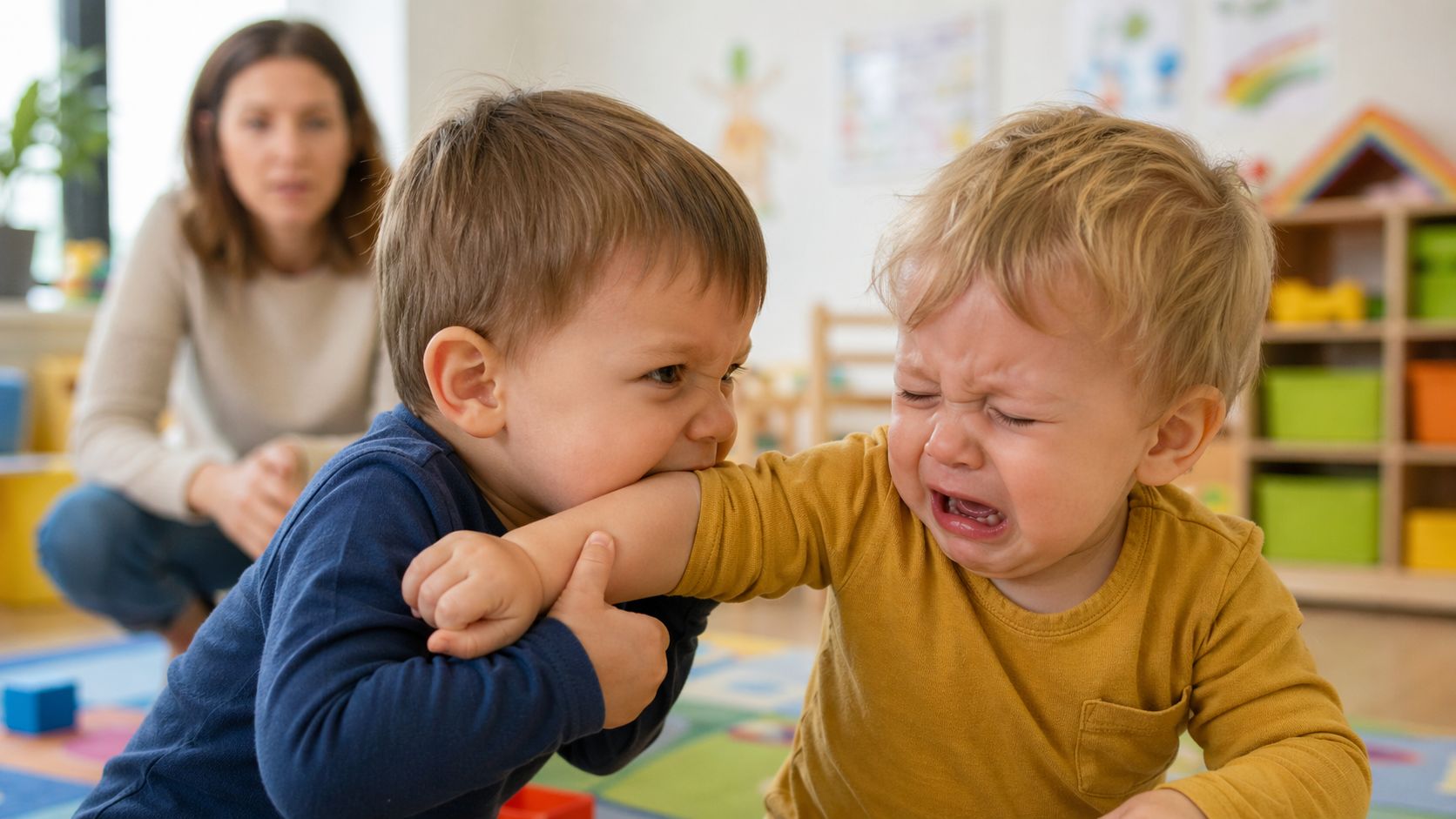
Beginning preschool is an important moment in every family’s life. However, it doesn’t always go smoothly – according to statistics, up to 30% of children experience difficulties adapting to preschool. As experts with many years of experience in early childhood education, we know this is a natural phenomenon that can be effectively addressed.
Why Doesn’t a Child Want to Go to Preschool? Main Causes
Understanding the reasons behind a child’s reluctance to attend preschool is the first step in solving the issue. Let’s take a look at the most common reasons children may protest going to preschool.Separation Anxiety
This is one of the most common causes of preschool difficulties, especially in children aged 3–4. It manifests as:- Crying and screaming during separation
- Clinging tightly to the parent
- Complaining of stomachaches or headaches just before leaving
- Sleep problems the night before a preschool day
Social Adaptation Difficulties
Preschool is often the first environment where a child must function within a larger group of peers. Challenges may stem from:- Lack of previous experience interacting with other children
- Shyness or introverted nature
- Difficulty sharing toys and space
- Struggles expressing needs within a group
Homesickness
Missing the familiar home environment may be expressed through:- Frequently asking about home and parents during preschool
- Difficulty engaging in group activities
- Isolating themselves from other children
- Eating and resting problems in the new setting
Fear of the Unknown
Children, like adults, may feel anxious in new situations. In the case of preschool, this fear may involve:- The new environment and rooms
- Unfamiliar rules and daily routines
- The presence of unfamiliar adults (teachers, staff)
- Having to navigate a new space independently
The Need to Become Independent
Preschool requires more independence than the home environment. Main challenges include:- Eating meals independently
- Using the toilet without help
- Getting dressed and undressed on their own
- Organizing their own belongings
- Falling asleep without a parent present
Negative Preschool Experiences
Sometimes reluctance to attend preschool stems from specific negative events:- Conflicts with a peer or group
- Misunderstanding with a teacher
- Unpleasant mealtime or naptime experiences
- Stressful situations in the bathroom or during self-care activities
Health or Physical Issues
We shouldn’t forget the physical aspects that may influence preschool reluctance:- Sensory integration issues (sensitivity to noise, touch, light)
- Digestive problems or food allergies
- Chronic fatigue due to a new daily rhythm
- Motor difficulties making play with peers challenging
How to Help a Child Overcome Preschool Anxiety?
Now that we understand the causes of preschool reluctance, we can focus on effective methods of support. It’s important to act systematically and patiently, giving your child time to adjust.Gradual Adaptation to the New Environment
A well-planned adaptation process is key:- Start with short 1–2 hour stays at preschool
- Gradually extend your child’s time at the facility
- Let your child observe others from a safe distance at first
- Schedule initial visits during less crowded hours
Emotional Support and Talking with Your Child
Open communication is the foundation of building a sense of security:- Allow your child to express fears and emotions
- Name their feelings (“I see you’re scared/nervous”)
- Avoid minimizing their fears (“There’s nothing to worry about”)
- Share your own positive preschool experiences
- Answer preschool-related questions honestly
Positive Attitude and Encouragement to Be a Preschooler
Your mindset has a major impact on your child:- Speak enthusiastically about preschool and its opportunities
- Highlight the perks of being a “big kid” and preschooler
- Focus on positive aspects like new toys or playing with peers
- Praise your child for every little success during adaptation
Making the Journey to Preschool More Fun
The way to preschool can become a pleasant ritual:- Create special games on the way (counting red cars, spotting cats)
- Make a custom playlist of songs for the commute
- Plan routes through interesting areas
- Give your child small responsibilities (carrying a backpack, holding the locker key)
Using the Child’s Favorite Items
Transitional objects can greatly support the adaptation process:- Let your child take their favorite cuddly toy (if allowed)
- Put a family photo in their backpack
- Create a special “courage talisman” together
- Pack a favorite snack for afternoon tea
How to Prepare a Child for Preschool?
Good preparation for starting preschool education can significantly reduce the risk of adaptation problems. Let’s explore proven methods to help with this process.Choosing Clothes and Packing the Backpack Together
Involving your child in preparations builds a sense of ownership:- Let them choose a new backpack or gym bag
- Label spare clothes together with special tags
- Select comfortable slippers or indoor shoes together
- Allow your child to pick colors or patterns (within school rules)
Creating a Preschool Packing Checklist
A systematic approach helps the child feel more confident:- Create a visual checklist of needed items
- Hang it in a visible place (e.g., on the bedroom door)
- Check off the items together each morning
- Teach your child to pack independently using the list
- Spare clothes
- Hygiene items
- Indoor shoes
- Pyjamas (if required)
- Favorite stuffed toy (if allowed)
Planning a Morning Routine
A consistent morning schedule gives your child a sense of security:- Set a fixed wake-up time
- Establish the order of morning tasks
- Plan time for a calm breakfast
- Include a moment for a short game or cuddle
Highlighting the Importance and Excitement of Preschool
Build positive associations, but stay realistic:- Share your own preschool stories
- Read books about preschool together
- Play “preschool” at home
- Visit the preschool playground on weekends
- Overhyping preschool
- Making unrealistic promises
- Comparing with other children
- Using preschool as a threat or punishment
Supporting a Child in Preschool – What Can Parents Do?
A parent’s role doesn’t end once the child steps through the preschool doors. Your involvement in the adaptation and educational process is crucial to your child’s success.Regular Communication with the Teacher
Good communication with preschool staff is essential:- Agree on a preferred method of contact (phone, email, messaging app)
- Inform them of important events in your child’s life
- Ask about your child’s behavior and adaptation progress
- Report any worrying signs from your child
- Share updates on changes in routines or habits
Participating in Preschool Events
Active parental presence builds a child’s sense of security:- Attend parent meetings and workshops
- Help organize preschool celebrations
- Join open days and sample classes
- Get involved in preschool projects and initiatives
- Assist with field trips and special events
Working with a Child Psychologist
In some cases, professional support may be needed:- Consultations for ongoing adaptation issues
- Social skills workshops for children
- Advice on emotional development
- Behavioral issue assessments
- Support with specific developmental challenges
- Adaptation problems last more than a month
- Your child shows strong anxiety reactions
- You observe aggressive or self-harming behaviors
- There are signs of developmental regression
Monitoring Adaptation Progress
Consistent observation helps detect potential problems early:- Keep a journal of your child’s behaviors and reactions
- Watch for changes in eating and sleep habits
- Observe peer interactions during outside-of-preschool playdates
- Note positive changes and adaptation milestones
- Your child talks about preschool and classmates
- They proudly show work they did at preschool
- They have favorite preschool activities
- They mention teachers with affection
- They show more independence in daily routines
What If a Child Still Doesn’t Want to Go to Preschool?
Even after using all the previously mentioned strategies, some children may still resist preschool. In such cases, additional actions may be necessary.Talking to Your Child About Their Concerns
In-depth communication is key:- Choose a calm moment to talk – not right before or after preschool
- Ask open-ended questions (e.g., “What don’t you like about preschool?”)
- Practice active listening – repeat what your child says in your own words
- Let your child express emotions through drawing or play
- “What bothers you most about preschool?”
- “What could make you feel better there?”
- “Which part of the preschool day is the hardest for you?”
Consulting a Child Psychologist
Professional help may be essential if:- Your child shows strong anxiety or aggressive behavior
- Somatic symptoms occur (e.g., stomachaches, headaches)
- Adaptation problems last longer than 2 months
- There are signs of sleep or appetite disorders
- Provide a detailed diagnosis
- Create a personalized therapy plan
- Teach your child stress management techniques
- Support parents throughout the adaptation process
Collaborating with the Preschool to Find a Solution
It’s important to develop a joint strategy:- Request detailed behavioral observations from the staff
- Establish an individualized adaptation plan
- Consider adjusting attendance hours temporarily
- Propose additional supportive measures (e.g., a quiet corner)
Considering Educational Alternatives
If difficulties persist, it may be worth exploring other options:- Changing to a different group within the same preschool
- Choosing a smaller preschool
- Trying a different preschool philosophy (e.g., Montessori)
- Temporarily hiring a nanny with socialization elements
- Don’t make hasty decisions about switching facilities
- Give your child enough time to adapt
- Consult major changes with specialists
- Consider the long-term consequences of your chosen solution