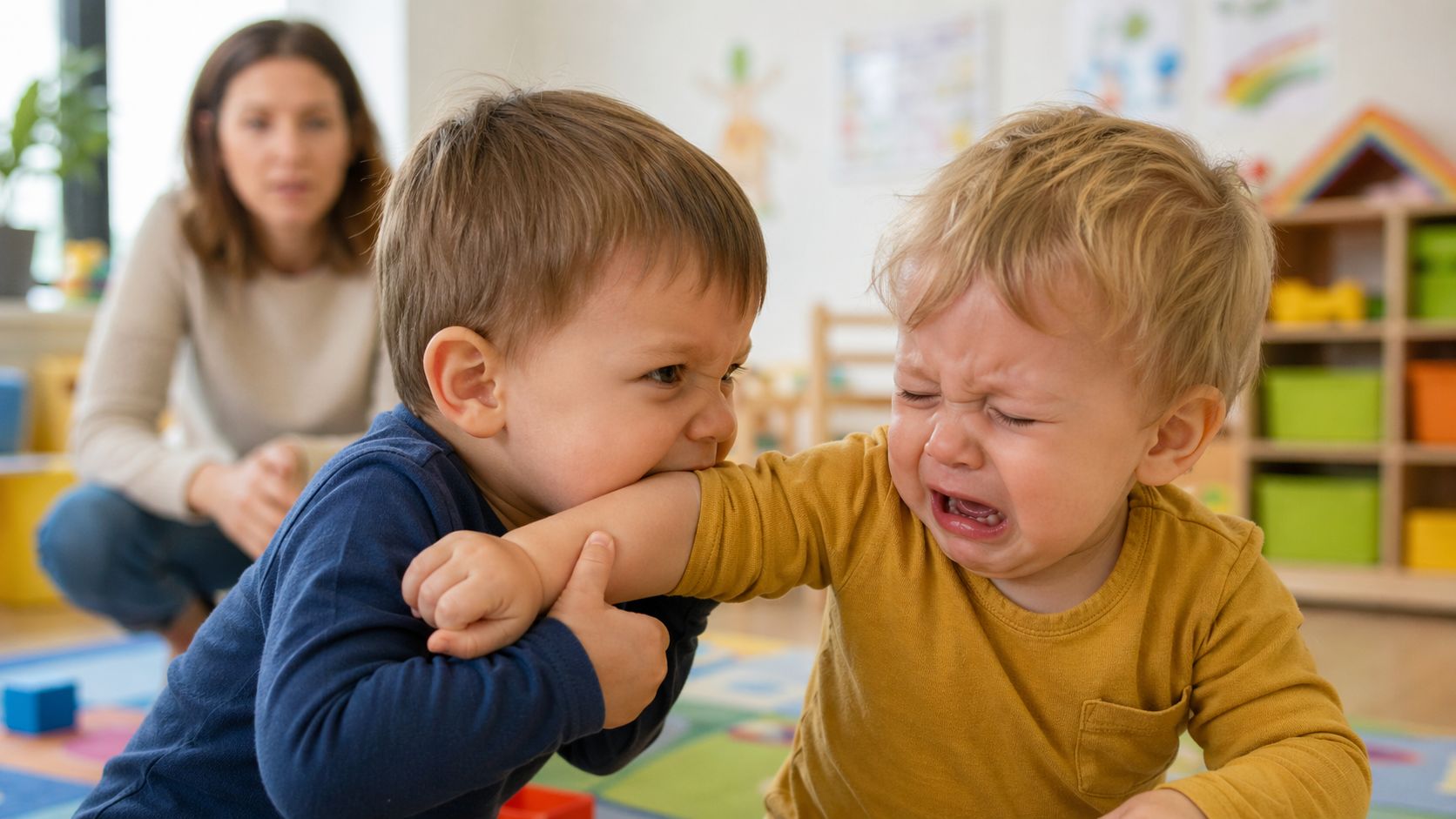
Some children seem to be “somewhere else,” even when they’re looking right at us. They hear, but they don’t listen. They see, but they don’t notice. Although they develop normally, they struggle to stay focused — they don’t finish tasks, get distracted by the smallest noise, and every homework session ends in frustration. Often they’re full of energy, impulsive, and can’t sit still for long.
This doesn’t always mean a child has ADHD. Today’s world — full of screens, loud sounds, and constant sensory input — makes it harder to develop concentration. But focus is a skill that can be trained, just like riding a bike or tying shoelaces. The key lies in patience, consistency, and the right techniques.
How long can a child stay focused?
It’s important to remember that concentration develops gradually. For three-year-olds, it usually lasts 5–15 minutes; for four-year-olds, up to 20 minutes; and for five- and six-year-olds, even up to 40 minutes — but only when the child is willingly engaged in an activity that truly interests them. If the task is imposed, their attention span can be cut in half.
So there’s no point in forcing a child to sit over an activity for an hour. It’s better to divide tasks into shorter segments with breaks for movement and rest.
What affects concentration – foundations to start with at home
Before moving on to games and exercises, it’s worth ensuring that your home environment supports focus:
Sleep and daily rhythm
A consistent bedtime and predictable daily schedule give children a sense of security. When they know what to expect, it’s easier for them to concentrate.Diet
Meals should be balanced — rich in vegetables, fruit, protein, and healthy fats. Avoid excess sugar, sweets, fizzy drinks, and foods with dyes or preservatives. What your child eats directly affects their energy levels and ability to focus.Movement
Your child doesn’t need a gym, but they do need to run, jump, climb, and swing. Physical activity oxygenates the brain and helps release excess energy, making it easier to focus afterward.Silence and order
During study or play, turn off the TV, radio, or tablet. Keep only necessary items on the table or desk. Fewer distractions mean better concentration.Limit screen time
Digital stimuli act like “fast sugar” for the brain — they bring short-term pleasure but make it harder to concentrate later. For preschoolers, screen time should be limited to about 15–20 minutes per day.
Concentration exercises – starting from the earliest years
For children up to age 2
- Contrast cards – help train vision and early focus. You can use simple black-and-white cards or toys that the baby follows with their eyes.
- Shape sorters – fitting shapes into matching holes. You can use store-bought toys or make your own with a box and buttons.
- Building towers – using blocks, cups, or books. Stacking elements carefully develops precision and attention.
- Threading – onto a string or stick. Start with large items (like pasta) and later ask your child to thread in a specific color order.
For preschool and early school-age children
- Word memory – an adult says a series of words (e.g., “cat, tree, house”), and the child repeats them. The older the child, the longer the list.
- Air drawing – drawing shapes in the air with both hands symmetrically. Great for coordination and focus.
- “The Fly” game – the child imagines a fly moving inside a grid and follows its movements according to your commands (“up, right…”). Exercises auditory attention and spatial imagination.
- Memory and spot-the-difference games – classic activities that develop visual memory and attention to detail.
- “Look, remember, and tell” – the child looks at a picture for one minute, then describes what they saw.
- Back massages – the adult “draws” letters, numbers, or shapes on the child’s back, and the child guesses what it was.
For school-age children
- Describing objects – the child describes an item (like a spoon): what it’s made of, how it looks, what it’s used for, whether it has a smell. This builds observation and language skills.
- Listening with a cue – while reading a story, the child reacts to a specific word (e.g., claps every time they hear “house”).
- Spotting mistakes in text – searching for swapped letters, extra symbols, or mismatched words.
- Logic puzzles – Sudoku, chess, checkers, Jenga, pick-up sticks. All these games teach planning, patience, and focus.
- Watching the second hand – a simple but effective exercise: the child watches the ticking second hand for one full minute without looking away.
Rules that really work
Match the difficulty to the child’s abilities
If your child can’t count to 20 yet, don’t make them count to 100. Start from what they already know and gradually increase the challenge.Shorter but more frequent
Better three 5-minute sessions a day than one hour-long session once a week. Consistent, daily practice works better than long, rare ones.Switch activities
Young children need frequent changes. Offer 4–5 short tasks within 20 minutes to keep them engaged.Allow movement when needed
If your child starts fidgeting, don’t force them to sit still. Suggest a quick break — jumping, running, or dancing.Rotate toys
Too many toys are distracting. Put some away for a few weeks — when you bring them back, they’ll feel “new” again and hold attention longer.
When to consult a specialist
If, despite consistent work at home, your child still:
- can’t focus even on favorite activities,
- gets discouraged very quickly,
- avoids tasks that require mental effort,
- often makes careless mistakes,
it’s worth consulting a teacher, psychologist, or doctor. Not every focus difficulty is ADHD, but it’s important to understand the cause so you can support your child properly.
Summary
Concentration is a skill, not an inborn trait. It can be developed — day by day, through play and shared moments. The key is patience, realistic expectations, and recognizing that every small improvement matters. A child who learns to focus will find it easier to succeed at school, build relationships, and handle everyday challenges. It’s an investment that will pay off in the future.
Practical tools (for home use)
Exercise books:
Practicing Concentration (A. Jaglarz),
Concentration Training for Students (J. Święcicka)Board games:
Memory, pick-up sticks, mazes, puzzlesEveryday activities:
Cooking together (measuring ingredients), taking a walk with a task (“find three red things”), sorting household items by color or shape
Remember: it’s not about perfection — it’s about progress. Even a few minutes of shared focus exercises each day can bring visible results — not just for your child, but for the whole family.