What is homeschooling?
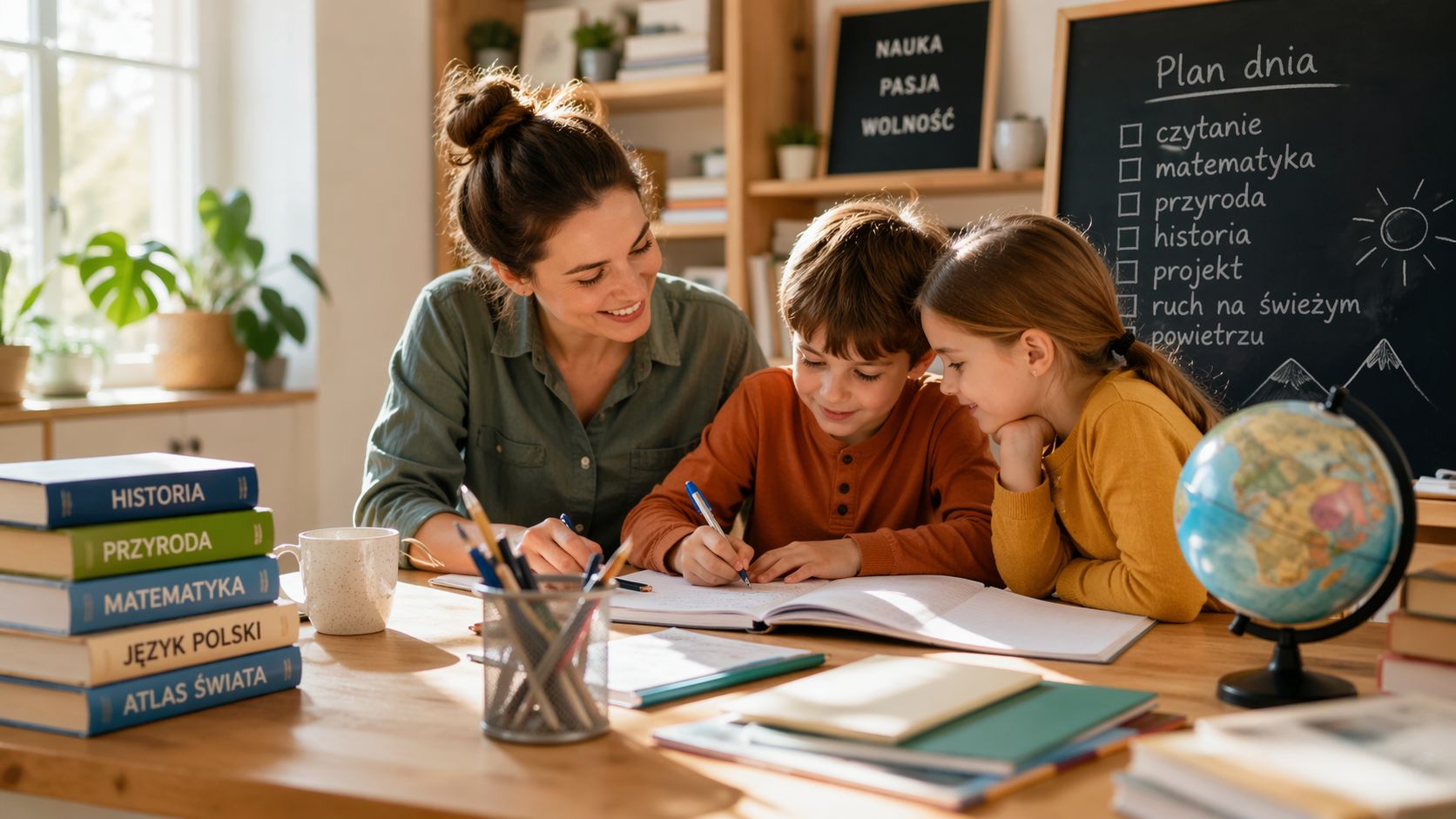
In Poland, children are required by law to attend school. However, this obligation can be fulfilled outside of school, at home. Homeschooling has been legal in Poland since 1991 – and contrary to what you might think, it’s not as unusual as it seems.
Parents are responsible for their child’s education, not the school. They decide how to teach, but they must ensure the child follows the curriculum. There are no grades, tests, or pop quizzes. However, there are mandatory cumulative exams at the end of each school year. A child can also participate in extracurricular activities at a traditional school.
In the 2021/2022 school year, nearly 20,000 students were homeschooled. The numbers are growing – about 8,000 more families joined within a single year.
Advantages of homeschooling
- Pace tailored to your child – no need to rush. Lessons last exactly as long as needed. The child doesn’t have to keep up with the rest of the class. If something is unclear, you can revisit the topic without pressure.
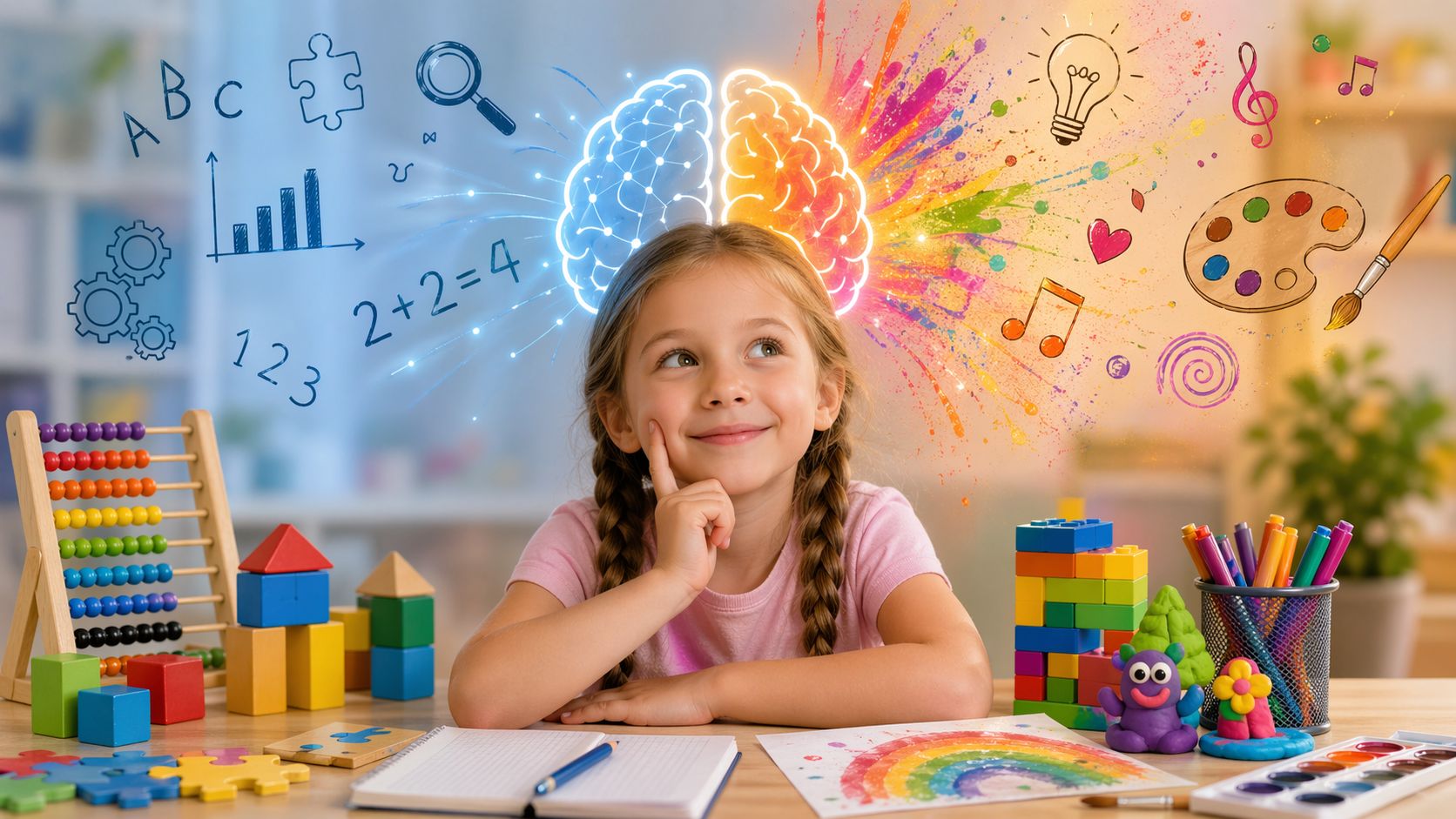
- Learning for knowledge, not grades – grades disappear, pressure disappears. What remains is curiosity and the desire to learn. The child also doesn’t have to do homework – they have time for things they actually enjoy.
- Family bonding – learning together is an opportunity to spend time as a family. You can pass on values, teach through experience, simply be together.
- Flexibility – vacation whenever you want, learning at any time of day. School no longer dictates the rhythm of your day.
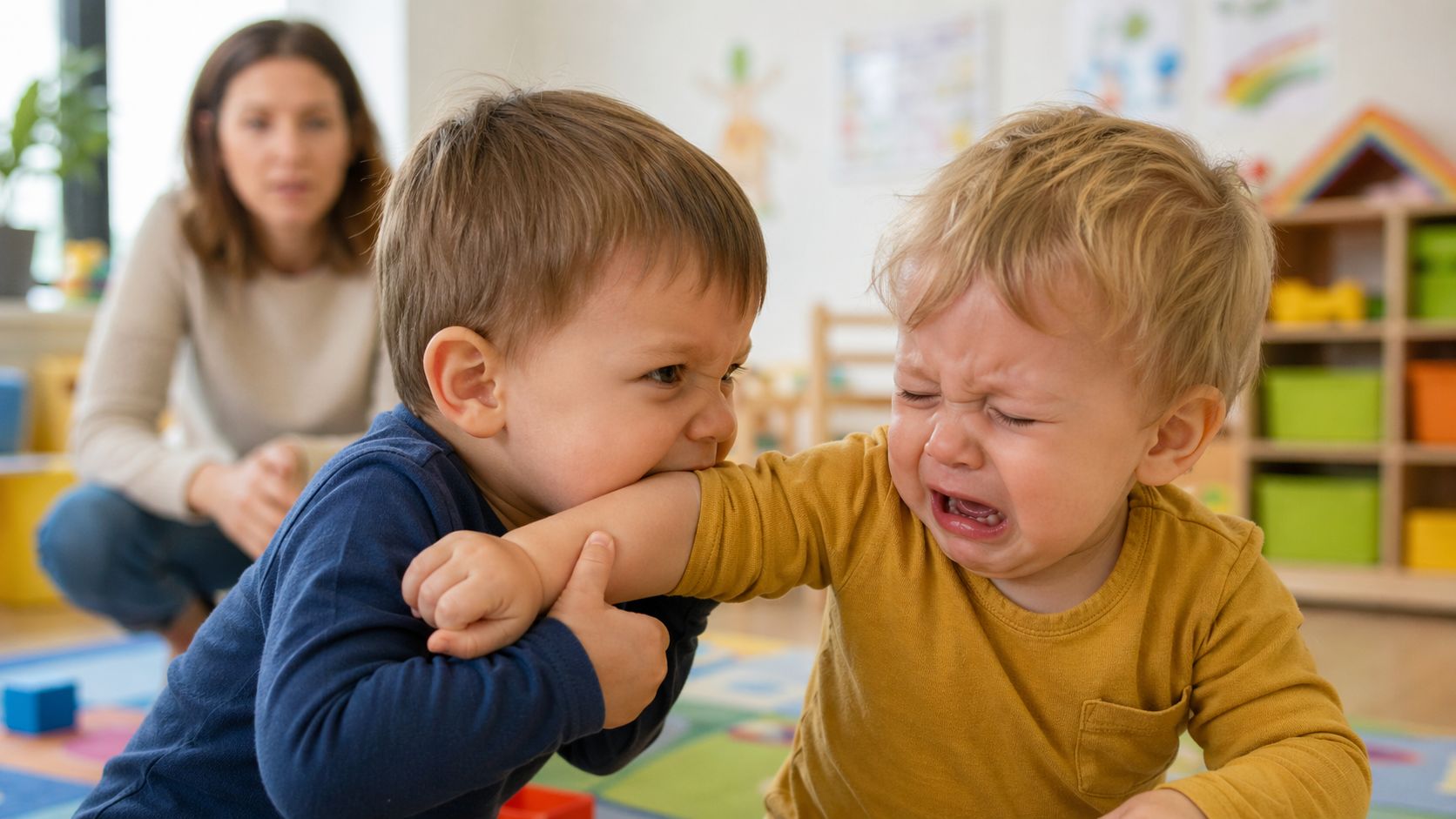
- Safe space – the child learns at home, away from peer violence, tension, and pressure.
Disadvantages of homeschooling
- The parent must become a teacher – and that is a significant challenge. Not everyone has the patience, skills, or time. One parent may also need to give up their job.
- Costs – the lessons themselves are free, but materials, courses, and learning resources cost money. And if a parent stops working, the household budget shrinks even further.
- Socialization requires effort – in school, children meet peers naturally. At home, you have to organize meetings, group activities, find a community – the parent’s self-discipline really has to be strong.
- Exams – they can be stressful, especially at the beginning. The child stands before a committee and presents their knowledge from the entire year.
- Not everyone is suited for this – and it’s good to know that. Some children simply develop best in a peer group, within the school rhythm.
How to start homeschooling? Step by step
1. Choose a school
Your child must be enrolled in a school located in the voivodeship where you live. Look for schools that are friendly to homeschooling – ones that won’t make your life difficult and offer support. After enrollment, the child receives a school ID card.
2. Submit documents
You will need:
- application for admission to the school,
- application for permission to fulfill the school obligation outside of school,
- declaration of providing conditions for implementing the core curriculum,
- commitment to have your child take cumulative exams each year.
Since 2020, you no longer need to include an opinion from a psychological-pedagogical counseling center.
Documents can be sent by mail or delivered in person.
3. Wait for the principal’s decision
After a positive decision, you can start – at any point during the school year.
4. Choose teaching methods
The school provides textbooks. The rest – resources, methods, approach – is up to you. The core curriculum must be completed, but how you do it is entirely your choice.
Who can teach at home?
Any parent or legal guardian. You don’t need a degree or special qualifications. You can homeschool from preschool all the way to graduation.
Worth considering
Homeschooling is a serious decision. Before you make a final choice, talk to families who have already done it. Read, discuss, see what it looks like in practice.
For some families, it’s the best thing they could have done for their children. For others, traditional school works better. There is no single right path for everyone.